Bluetti EB3A Review: Is This Compact Powerhouse Worth Buying?
A hands-on look at capacity, charging speed, real-world runtime, and where the EB3A fits against bigger solar generators — so you can decide if it belongs in your setup.
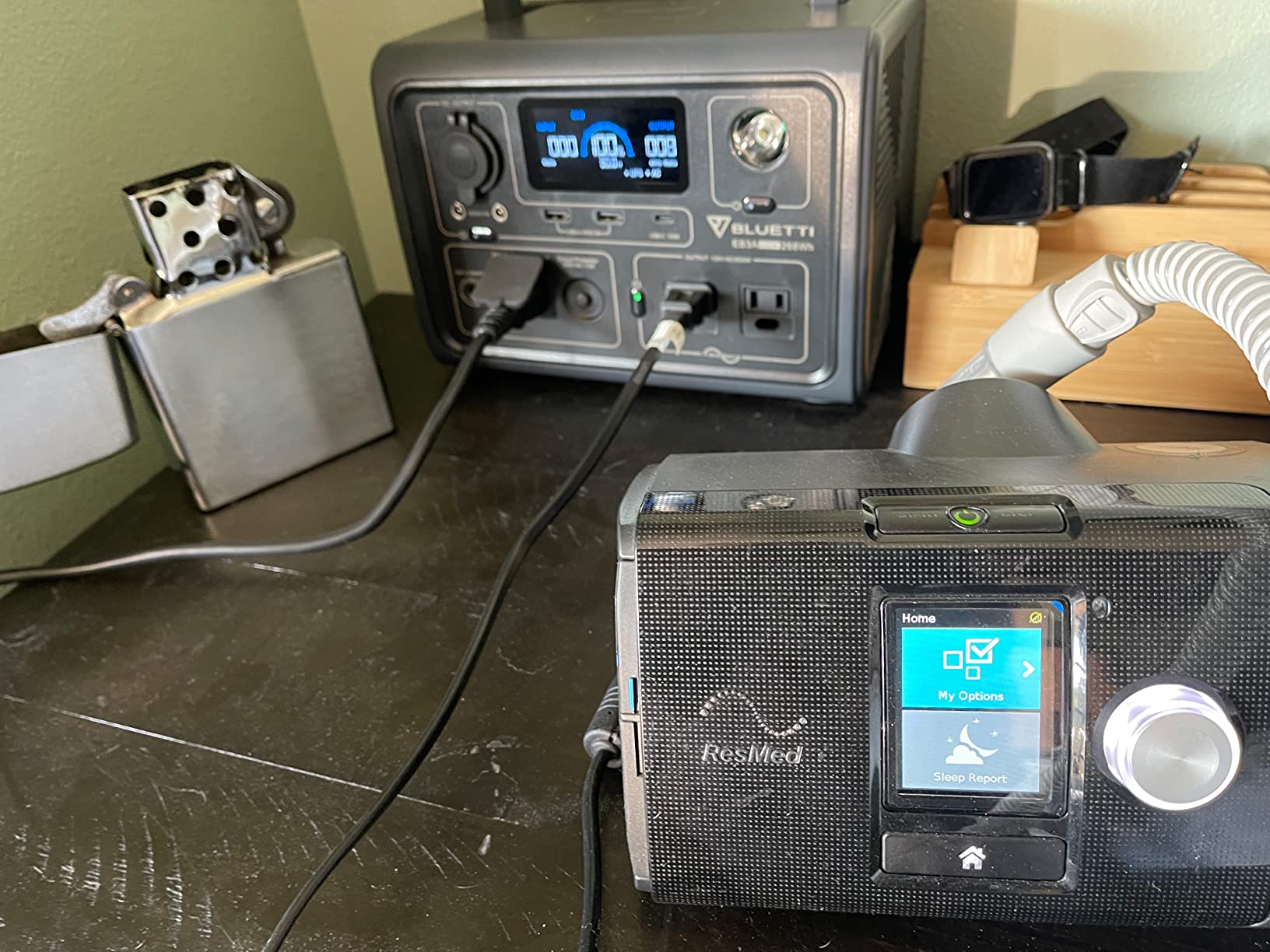
Quick Verdict
The Bluetti EB3A is a small, budget-friendly power station built around a 268Wh LiFePO4 battery and a 600W (1200W surge) output. It’s not designed to run a house, but for camping, small appliances, CPAP machines, and emergency backup for essentials like a router or a mini-fridge, it punches well above its price point — especially thanks to fast AC recharging and solid app control.
If you’ve spent any time browsing portable power stations, you already know the market is crowded. Every brand claims to have the “best” unit, and the specs sheets start to blur together after a while. The Bluetti EB3A stands out for a simple reason: it doesn’t try to be everything. It’s a small, honest, well-built unit aimed at a specific type of buyer — someone who wants dependable backup power without paying for capacity they’ll never use.
In this review, we’re going to walk through exactly what the EB3A does well, where it falls short, and who should (and shouldn’t) buy one. If you’re also weighing it against larger units, our guide to the best solar powered generators is a good companion read before you commit to a specific capacity tier.

Check current pricing and availability for the Bluetti EB3A.
Check Price on Amazon1. Bluetti EB3A Overview
The EB3A sits at the entry level of Bluetti’s lineup, but “entry level” doesn’t mean cheaply made. It uses the same LiFePO4 (lithium iron phosphate) chemistry found in Bluetti’s larger and more expensive units, which means you get a battery rated for roughly 2,500 charge cycles before it drops to 80% capacity — a huge upgrade over the older lithium-ion batteries still used in some budget competitors.
At its core, the EB3A is built to solve a narrow but common problem: keeping small electronics, lighting, and a handful of low-draw appliances running when grid power isn’t available or convenient. It’s not a whole-home backup solution, and Bluetti doesn’t market it as one. Instead, think of it as a serious upgrade over a car battery jump-pack — one that can genuinely run a laptop for a week, keep a CPAP machine going through the night, or power string lights and a mini fan at a campsite for a weekend.
Who This Unit Is Actually For
Before diving into specs, it’s worth being upfront about fit. The EB3A works best for:
- Weekend campers who need to charge phones, run a light, or power a small cooler
- Apartment dwellers who want basic blackout backup for routers, lamps, and phones
- CPAP users looking for a dependable overnight backup unit
- Van-lifers and overlanders who want a lightweight secondary power source
- Photographers and content creators who need to charge camera batteries and laptops in the field
If your goal is running a refrigerator for days, powering tools on a job site, or backing up your entire home during outages, the EB3A won’t be enough on its own — you’ll want to look at something like the Bluetti AC200 Max or a similarly larger-capacity unit instead.

See the latest deals and bundle options.
View on Amazon2. Design & Build Quality
Physically, the EB3A is compact — roughly the size of a large shoebox, weighing in at about 4.6 kg (10.1 lbs). That’s light enough to carry in one hand with the built-in handle, which matters more than it sounds like on paper. Power stations that require two hands and a wide stance to move around end up staying in the garage; something this light actually gets used.
The chassis is a matte-finish hard plastic shell, and while it’s not going to survive a serious drop onto concrete, it feels solidly assembled with no rattling or flexing panels. The corners have a bit of extra reinforcement, and the top surface has a small flat area useful for setting down a phone while it charges.
Port Layout and Accessibility
All the ports are grouped on one face of the unit, which makes it easy to tuck the EB3A against a wall or in a cabinet without losing access to plugs. The AC outlets, USB-A, USB-C, DC output, and car-style port all sit in a single row, with the LCD display positioned just above them for quick glancing.
| Attribute | Detail |
|---|---|
| Dimensions | Approx. 9.9 x 7.1 x 7.9 in (25 x 18 x 20 cm) |
| Weight | Approx. 4.6 kg (10.1 lbs) |
| Build Material | Reinforced ABS plastic shell |
| Display | LCD screen showing input/output wattage, battery %, and estimated runtime |
| Carry Method | Fixed top handle |
The LCD is genuinely useful — it’s not just a battery percentage indicator. It shows live wattage draw, which lets you quickly figure out whether a device is pulling more power than expected, and it estimates remaining runtime based on current draw, which is handy when you’re trying to plan how long you can keep something running before your next recharge opportunity.
3. Battery Capacity & Chemistry
The EB3A is built around a 268Wh LiFePO4 (LFP) battery pack. To put that in perspective, that’s enough to charge an average smartphone around 20 times, run a 10W LED light for roughly 25 hours, or keep a CPAP machine running for one to two nights depending on pressure settings and humidification use.
The choice of LiFePO4 chemistry over standard lithium-ion is one of the more important decisions Bluetti made with this unit, and it’s worth understanding why it matters:
- Cycle life: LiFePO4 batteries typically last 2,500+ full charge cycles before dropping to 80% of original capacity, compared to roughly 500-800 cycles for standard lithium-ion.
- Thermal stability: LFP chemistry is significantly more resistant to thermal runaway, making it safer for indoor use and for units left charging unattended.
- Consistent voltage curve: LFP batteries tend to hold voltage more consistently as they discharge, which helps devices run more predictably near the end of a charge cycle.
Real-World Capacity Expectations
On paper, 268Wh sounds small compared to the 1,000Wh-plus units you’ll see marketed for whole-home backup. But used correctly, it’s a meaningful amount of usable power for small loads. Below is a rough breakdown of what a full charge can realistically support:
| Device | Typical Draw | Approx. Runtime on Full Charge |
|---|---|---|
| Smartphone | 10-18W | ~15-20 full charges |
| Laptop | 45-65W | ~3-4 full charges |
| CPAP (no humidifier) | 30-40W | ~6-8 hours |
| Mini fridge (12V cooler) | 40-60W | ~4-6 hours |
| LED camp light | 5-10W | ~20-25 hours |
| Small fan | 15-25W | ~10-15 hours |
These numbers are estimates and will vary with efficiency losses from the inverter, ambient temperature, and the specific device’s actual draw versus its rated draw.

See real-time pricing before you decide.
Check Availability4. Output Ports & Real Devices You Can Run
The EB3A includes a solid mix of output ports for a unit this size: two AC outlets rated for a combined 600W (with a 1200W surge for brief spikes), a USB-C port supporting 100W PD fast charging, two USB-A ports, a 12V DC car-style outlet, and a wireless charging pad built into the top of the unit.
- AC Output600W continuous / 1200W surge (2 outlets)
- USB-CUp to 100W PD fast charge
- USB-A2 ports, standard 5V/2.4A each
- DC Car Port12V/10A
- Wireless Pad15W Qi-compatible charging
What 600W Actually Means
600W of continuous output is enough for most small electronics and appliances, but it rules out high-draw devices like full-size microwaves, hair dryers on high, space heaters, or air conditioners. The 1200W surge rating helps with devices that have a brief startup spike — like a mini-fridge compressor kicking on — but it’s not designed to sustain that level of draw.
In practice, this means the EB3A is happiest running: laptops, monitors, routers, modems, CPAP machines, small fans, LED lighting rigs, camera charging stations, drones, gaming handhelds, and small kitchen appliances rated under 500W (think coffee grinders or blenders used briefly, not slow cookers running for hours).
Runs Comfortably
- Laptops and tablets
- CPAP machines
- Routers/modems for internet backup
- LED lighting and camp fans
- Camera and drone battery chargers
Not Designed For
- Space heaters
- Full-size microwaves
- Air conditioners
- Power tools with high startup draw
- Hair dryers on high heat
5. Charging Speed: AC, Solar & Car
This is arguably where the EB3A separates itself from other units in its price bracket. Bluetti rates the EB3A for 0-80% AC recharge in around 30 minutes, and a full 0-100% charge in roughly 50 minutes when using AC wall power with the “Turbo” charging mode enabled through the app or on-unit button.
That’s a dramatically faster recharge time than most competitors offer at this capacity level, many of which take 2-4 hours for a full charge from AC. If you’re using the EB3A as a daily-use backup — for example, recharging it every night after using it during a work-from-home power blip — that speed difference adds up quickly.
Charging Method Comparison
| Charging Method | Approx. Time to Full | Best For |
|---|---|---|
| AC Wall (Turbo mode) | ~50 minutes | Fast top-ups between uses |
| AC Wall (Standard mode) | ~1.5-2 hours | Quieter, less fan noise |
| Solar (200W panel, good sun) | ~2-2.5 hours | Off-grid camping/vanlife |
| Car (12V outlet) | ~4-5 hours | Road trip top-ups |
The Turbo charging mode does run the internal fan more aggressively and generates more heat, so it’s not something you’d want running unattended in a small enclosed space overnight. Standard mode is the better choice for slower, quieter charging when speed isn’t critical.

Bundle deals with solar panels are often available.
See Bundle Pricing6. Solar Input & Panel Compatibility
The EB3A accepts up to 200W of solar input through its DC input port, which is a generous ceiling for a battery this size — it means a single mid-size folding solar panel can recharge the unit from empty to full in roughly two to two-and-a-half hours under strong, direct sunlight.
If you’re new to pairing solar panels with a power station, our explainer on how a solar powered generator actually works breaks down the relationship between panel wattage, sunlight conditions, and charge time in more detail than we’ll cover here.
Practical Solar Tips for the EB3A
- Angle the panel directly toward the sun and adjust every hour or two for the fastest charging — flat placement on the ground loses a meaningful percentage of potential input.
- Cloud cover can cut solar input by 50% or more, so treat solar charging times as best-case estimates.
- Because the EB3A caps at 200W solar input, pairing it with a panel larger than 200W won’t speed up charging further — the unit simply won’t accept the excess.
- Cold, clear mornings are often more efficient for solar charging than hot midday sun, since panel efficiency drops slightly as panel temperature rises.
If you’re deciding how much solar capacity you actually need for your camping or backup setup, our guide on what size solar generator you need is worth reading before buying panels separately.
7. Bluetti App & Smart Features
The EB3A pairs with the Bluetti app over Bluetooth, and this is one of the more pleasant surprises for a unit at this price point. Through the app, you can monitor battery percentage, toggle AC/DC output on and off remotely, switch between Standard and Turbo charging modes, set a UPS (uninterruptible power supply) function, and check firmware updates.
UPS Mode Explained
One of the most practical features is the UPS mode. When enabled, the EB3A stays plugged into wall power and continuously trickle-charges while passing power through to connected devices. If the wall power cuts out, the EB3A switches to battery power in under 20 milliseconds — fast enough that most electronics (including desktop computers and routers) won’t even notice the interruption.
This effectively turns the EB3A into a UPS battery backup for sensitive electronics like a home office setup, a router during storms, or a CPAP machine plugged in overnight — a genuinely useful feature that many budget competitors don’t offer at all.
- Remote monitoring of battery level and wattage draw
- Scheduled charging and discharge limits to preserve battery health
- Firmware updates pushed directly through the app
- UPS mode with sub-20ms switchover time

Check current stock and pricing before you buy.
Check Latest Price8. Best Use Cases
The EB3A shines brightest in a handful of specific scenarios. Rather than listing generic “great for camping!” marketing lines, here’s a more honest breakdown of where it actually earns its keep.
Weekend Camping and Van Trips
For tent camping or short van trips, the EB3A is close to ideal. It’s light enough to not be a burden in a pack or trunk, and its capacity is well matched to charging phones, running string lights, powering a small fan, and topping off camera batteries over a two-to-three day trip. Combined with a portable solar panel, it can realistically run indefinitely off-grid for light use.
Apartment and Home Blackout Backup
For renters or homeowners who don’t need whole-home backup but want peace of mind during short outages, the EB3A covers the essentials: keeping a router online, charging phones, running a lamp, and powering a laptop for a few hours of continued work. The UPS mode makes it particularly good for protecting a home office setup from brief power blips.
Medical and CPAP Backup
Many CPAP users specifically look for LiFePO4-based units because of the safety profile for overnight, unattended use. The EB3A’s 268Wh capacity is enough for one to two nights of CPAP use without humidification, making it a reasonable travel companion or emergency backup — though anyone relying on this for critical medical equipment should always consult with their equipment provider about compatibility and backup redundancy.
Content Creators and Remote Work
Photographers, videographers, and remote workers who need to charge laptops, camera batteries, and small lighting rigs in the field will find the EB3A a convenient, lightweight solution that doesn’t require lugging around a much heavier, larger unit.
9. EB3A vs Similar Power Stations
It’s worth seeing how the EB3A stacks up against a few other well-known units in the portable power space, even though most of these competitors sit in a higher capacity tier. If you’re trying to decide between a compact unit like the EB3A and something larger, our detailed Bluetti vs Jackery vs EcoFlow comparison covers the broader brand differences in more depth.
| Model | Capacity | AC Output | Battery Type | Best For |
|---|---|---|---|---|
| Bluetti EB3A | 268Wh | 600W | LiFePO4 | Compact, budget backup & camping |
| Jackery Explorer 1000 | 1002Wh | 1000W | NMC Lithium-ion | Mid-size camping and outages |
| EcoFlow Delta 2 | 1024Wh | 1200W | LiFePO4 | Home backup and larger appliances |
| Anker 767 PowerHouse | 2048Wh | 2400W | LiFePO4 | Extended off-grid and multi-day backup |
The takeaway here isn’t that the EB3A is “worse” than these units — it’s simply built for a different job. If you’re regularly running higher-draw appliances or need multi-day backup for more than a couple of devices, one of the larger units above is a better fit. But if you want something light, fast-charging, and genuinely portable, the EB3A wins on convenience even though it loses on raw capacity.
Compare pricing against similar-capacity units.
View Current Price10. Pros and Cons
Pros
- Extremely fast AC recharge (as low as ~50 minutes to full)
- LiFePO4 battery rated for 2,500+ cycles
- Lightweight and genuinely portable at 4.6 kg
- UPS mode with sub-20ms switchover
- 200W solar input ceiling is generous for this capacity class
- Useful live wattage display and runtime estimates
- Reliable app control and firmware updates
Cons
- 268Wh capacity is limiting for anything beyond light loads
- 600W output rules out high-draw appliances
- Turbo charging mode runs the fan loudly
- No expansion battery option like larger Bluetti models
- Only two AC outlets
11. Price & Value
Pricing on portable power stations fluctuates fairly often with sales events, so rather than quoting a specific number that may be outdated by the time you’re reading this, it’s more useful to think about value in terms of dollars-per-watt-hour and dollars-per-cycle.
Because the EB3A uses LiFePO4 chemistry with a 2,500+ cycle rating, the effective cost-per-use ends up being quite low over the life of the unit compared to cheaper lithium-ion competitors that need replacing after roughly a third as many cycles. Combined with the fast charging speed — which reduces the “dead time” where the unit is unusable while recharging — the EB3A tends to justify its price for buyers who fall into its intended use cases.
Where the value proposition breaks down is if you’re buying based on capacity alone. Dollar-for-dollar, some larger-capacity units offer more Wh per dollar spent. The EB3A’s value is really in portability, charge speed, and battery longevity — not in raw storage.
Check today’s price and any active bundle discounts.
Check Today’s Price12. Final Verdict
The Bluetti EB3A doesn’t try to compete with the bigger, heavier power stations dominating most “best solar generator” roundups — and that’s precisely why it works so well. It’s built for people who want something light enough to grab on the way out the door, fast enough to recharge between uses, and durable enough (thanks to LiFePO4 chemistry) to last for years of regular use.
If your needs fit within its 600W output and 268Wh capacity — camping essentials, CPAP backup, home office UPS protection, or charging electronics in the field — the EB3A is one of the more sensible, well-rounded choices in its class. If you need to run larger appliances or want multi-day backup capacity, you’re better served looking further up the lineup at something like the Jackery Explorer 2000 Plus or the Goal Zero Yeti 1500X.
Frequently Asked Questions
How long does the Bluetti EB3A battery last before degrading?
Bluetti rates the EB3A’s LiFePO4 battery for approximately 2,500 charge cycles before capacity drops to around 80% of original. With typical use of one charge cycle every few days, that translates to many years of reliable service.
Can the Bluetti EB3A run a mini fridge?
Yes, for a limited time. A typical 12V or small compact mini fridge drawing 40-60W can run for roughly four to six hours on a full charge, though compressor startup spikes are worth monitoring against the 1200W surge limit.
Is the EB3A safe to leave charging overnight?
Yes, especially in Standard charging mode, which generates less heat than Turbo mode. LiFePO4 batteries are considerably more thermally stable than standard lithium-ion cells, reducing overheating risk during extended charging.
How fast does the EB3A charge from solar?
With a 200W solar panel in strong, direct sunlight, the EB3A can charge from empty to full in roughly two to two-and-a-half hours. Cloud cover, panel angle, and time of day will all affect actual charging speed.
Does the EB3A work as a UPS for a router or computer?
Yes. When UPS mode is enabled in the app, the EB3A switches from wall power to battery power in under 20 milliseconds during an outage, which is fast enough to keep most routers, modems, and desktop computers running without interruption.
What’s the difference between Standard and Turbo charging mode?
Turbo mode charges the EB3A to full in around 50 minutes but runs the internal fan more aggressively and generates more heat. Standard mode takes closer to 1.5-2 hours but runs quieter and cooler, making it better suited for overnight or unattended charging.
Can I use the EB3A while it’s charging?
Yes, the EB3A supports pass-through charging, meaning you can draw power from it while it’s simultaneously being recharged via AC, solar, or car input.
How many times can the EB3A charge a smartphone?
Depending on the phone’s battery size, a full charge on the EB3A can typically recharge an average smartphone around 15 to 20 times.
Is the Bluetti EB3A loud when in use?
The EB3A is largely silent under light loads, with the internal fan only becoming noticeably audible during Turbo charging or when powering higher-draw devices closer to its 600W limit.
Can the EB3A power a CPAP machine all night?
For most CPAP machines without a heated humidifier, the EB3A can typically provide six to eight hours of runtime on a single charge, making it suitable for one full night’s use in most cases, though actual runtime depends on pressure settings and machine model.
Does the EB3A support pass-through solar charging while camping?
Yes, you can connect a compatible solar panel to the DC input while simultaneously running devices from the AC or USB outputs, making it practical for continuous off-grid use during daylight hours.
What size solar panel pairs best with the EB3A?
Since the EB3A caps solar input at 200W, a panel in the 100W-200W range offers the best balance of charging speed and portability without exceeding what the unit can actually accept.
Final Thoughts on the Bluetti EB3A
For campers, remote workers, and anyone who wants a fast-charging, long-lasting backup power source without the bulk of a larger unit, the EB3A delivers real, practical value. It knows exactly what it’s meant to do, and it does it reliably.
Check Current Price on AmazonYou May Also Like
Related reviews and guides referenced throughout this article are linked above and within the sections for further reading.