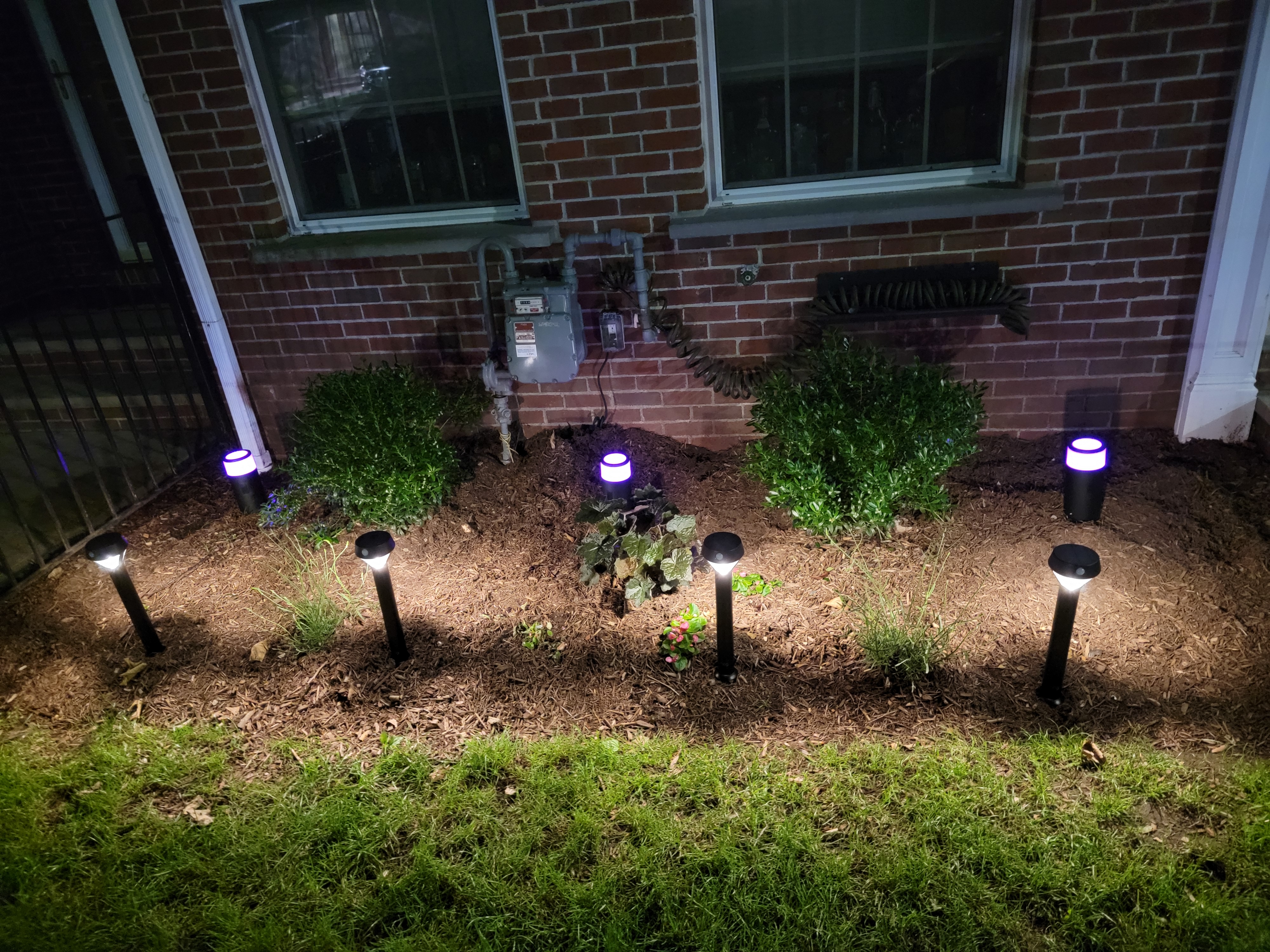
Ring Solar Pathlight Review: Is This Smart Solar Path Light Worth It?
Solar path lights are usually the cheap, forgettable part of a yard. The Ring Solar Pathlight tries to change that by adding motion sensing, app control, and a place inside the Ring ecosystem. We spent time with it, dug into how it behaves in real conditions, and broke down who should buy it and who should walk past it.

Quick Verdict and Overview
If you want one line to take away: the Ring Solar Pathlight is a smart, motion-aware path light that makes the most sense for people who already live inside the Ring ecosystem. It is not the brightest solar light you can buy, and it is not the cheapest. What it offers is integration. Your pathway lights can react when someone walks up, trigger other Ring lights, and show up in the same app you already use for your doorbell or cameras.
That matters more than it sounds. A typical stake-in-the-ground solar light switches on at dusk, fades through the night, and has no idea what is happening around it. The Pathlight is built on a different idea. It stays dim or off until it senses movement, then lights the way and can tell the rest of your system that something happened. For a front walkway, a side gate, or a dark stretch of driveway, that behavior is genuinely useful.
Before we go further, a quick note on what a solar light actually does all day. If you are new to the technology, our explainer on how solar lights work covers the panel, battery, and sensor basics that every light in this category shares. The Pathlight follows the same fundamentals, with a smarter brain layered on top.
At a Glance
| Feature | What to Expect |
|---|---|
| Power source | Built-in solar panel feeding a rechargeable battery |
| Smart control | Works through the Ring app and the Ring Bridge |
| Trigger | Motion-activated, with schedule and lighting options |
| Best use | Walkways, gardens, steps, and entry paths |
| Wiring | None, just stake it in the ground |
| Ideal owner | Existing Ring users who want connected exterior lighting |
Why We Took a Closer Look
Path lighting is one of those home upgrades people put off until the first stumble in the dark. A tripped step, a missed curb, a guest wandering up a poorly lit walkway: these are the moments that turn “someday” into “this weekend.” Solar fixtures make the project easy because there is no trenching, no transformer, and no electrician. The catch has always been quality. Many solar lights are dim, inconsistent, and disappointing after a single season.
That is the gap the Ring Solar Pathlight aims to fill. Ring built its reputation on doorbells and cameras, so the brand brings a security mindset to a category that has mostly been about decoration. Throughout this review, we look at the light the way a homeowner would: how it feels to set up, how it behaves after dark, and whether it keeps earning its place in the yard once the novelty wears off.
We also try to be straightforward about trade-offs. Smart lighting is not automatically better than simple lighting, and the right choice depends on your home, your habits, and what you already own. Treat this review as a decision tool rather than a sales pitch, and use the sections below to match the product against your own situation.
See current pricing and availability for the Ring Solar Pathlight.
Check Price on AmazonDesign and Build Quality
Ring did not reinvent the pathlight silhouette, and that is a good thing. The housing is a slim, upright post with a solar panel on top and a light head below it. It reads as a modern, understated garden fixture rather than a gadget. In a planting bed or along a stone path, it blends in during the day and does its job at night without drawing attention to itself.
The plastic feels sturdy rather than premium. That is typical for this category, and honestly appropriate. Metal fixtures look great, but they cost more and add weight, and what you really need from a light that sits outside for years is a body that shrugs off sun, rain, and the occasional kick from a lawnmower. The Pathlight’s housing is designed for exactly that kind of exposure.
A few details are worth noting:
- Profile: The slim shape means it does not overwhelm narrow beds or tight corners.
- Ground stake: It pushes into soil easily, though in compacted clay or gravel you may need to loosen the ground first.
- Panel orientation: The panel sits flat on top, which suits most open locations but works against you in deep shade.
- Finish: The matte exterior resists the glare and scuffing that glossy solar lights suffer from.
Overall, the design strikes a sensible balance. It looks tidy, installs without tools, and avoids the toy-like feel of the cheapest path lights. If you have ever bought a bargain set that looked fine for one season and then yellowed and cracked, you will appreciate that this one aims for a longer lifespan.
Everyday Practicality
Good design shows up in small ways. A light that is easy to lift out of the ground for cleaning gets cleaned more often. A fixture whose panel faces the sky without awkward angles charges more reliably. A shape that slides between shrubs without snagging stays where you put it. The Pathlight’s simple upright form checks these boxes, and that practicality is more valuable than any styling flourish.
It also pairs well with different landscaping styles. In a modern yard with gravel and ornamental grasses, the slim profile looks deliberate. In a traditional cottage-style garden with layered beds, it recedes into the planting and lets flowers take center stage. Because the finish is neutral, you are not locked into a particular look, and you can add or move fixtures as your landscaping evolves over the years.
One thing to keep in mind is plant growth. A light that sat in open sun when you installed it in spring may end up shaded by perennials by midsummer. Leave a little breathing room around each fixture, and revisit placement once or twice a year. A few seconds of pruning can protect the panel’s access to sunlight and extend the useful life of the battery.
Want to see the Ring Solar Pathlight up close with photos and buyer feedback?
View on AmazonSetup and the Ring Bridge
Here is the part many reviewers gloss over: the Pathlight does not talk to your home network by itself. Like other Ring Smart Lighting products, it connects through the Ring Bridge. If you already own the Bridge, setup is straightforward. If you do not, plan for it as an additional piece of hardware and an additional cost, because the lights rely on it for app control and for linking with other Ring devices.
What Setup Typically Looks Like
- Install the Ring Bridge near a power outlet and connect it to your Ring account if you have not already.
- Open the Ring app, choose to add a device, and follow the prompts for Smart Lighting.
- Scan the code on the light or enter it manually, and let the app pair it with the Bridge.
- Set the light’s behavior, including motion response and brightness preferences.
- Take the light outside, stake it into the ground, and test it after dark.
Pairing is best done near the Bridge, indoors, before you commit to a spot in the yard. Once it is connected, you can move it into position and confirm that signal strength is still healthy. If it drops out, you can shift the Bridge or add a closer one rather than relocating the whole light.
For someone who has never touched Ring gear, the learning curve is gentle but real. For someone who already runs a Ring doorbell and a Stick Up Cam, adding a few path lights takes minutes. That difference is why we keep describing this product as an ecosystem purchase rather than a standalone one.
Common Setup Mistakes to Avoid
Most smart lighting frustrations trace back to setup, not hardware. The first mistake is staking the light in its final spot before pairing it. If the connection fails outdoors, you end up troubleshooting in the cold and dark. Pair first, indoors, then move the light.
The second mistake is ignoring signal range. Walls, metal siding, and distance all weaken wireless signals. If a light at the far end of the yard keeps disconnecting, the fix is usually relocating the Bridge or adding a closer one, not replacing the light. The third mistake is skipping the app’s behavior settings. Out of the box, defaults are sensible, but a few minutes spent adjusting motion response and brightness can make the difference between a helpful light and an annoying one.
Finally, give the battery a chance to charge before judging performance. A brand-new solar light often needs a full day or two of sunshine before it reaches its normal behavior. If the first night looks dim, resist the urge to return it. Let it soak up sun, then evaluate it again.
Planning a Ring-powered yard? Compare options and bundles on Amazon.
Shop Ring Solar PathlightBrightness and Light Quality
Let’s set expectations honestly. Path lights are accent fixtures, not floodlights. The Ring Solar Pathlight produces a soft, low-level glow intended to outline a path and help you see where you are stepping. It will not light up a yard, and it is not meant to. If you buy it expecting security-light brightness, you will be disappointed. If you buy it expecting a gentle, warm guide light along a walkway, you will be satisfied.
That gentle glow is actually a strength in several situations. A softer light is easier on the eyes at night, less likely to bother neighbors, and kinder to wildlife and garden ambiance. It also draws less power, which helps a small solar panel keep the battery topped off through shorter winter days.
Where the Light Works Well
- Walkways between the driveway and front door
- Garden edges and flower beds
- Steps and low retaining walls
- Side-yard paths to a gate or trash area
Where It Falls Short
- Wide driveways that need real illumination
- Open lawns where you want to see across the yard
- Security lighting that needs to deter intruders on its own
The color of the light skews warm, which looks natural against plants, mulch, and stone. Cool, bluish solar lights can make a garden feel clinical. A warmer tone feels welcoming, especially along the front of a house. If garden ambiance is your priority, we also keep a roundup of the best solar lights for garden use that is worth browsing for style and brightness comparisons.
Living With the Light After Dark
The real test of any path light is how it feels at ten o’clock on a quiet night. Arrive home with groceries, and the Pathlight lifts the darkness just enough to see the edge of the walkway, the steps, and the planting beds. You are not blinded, and neither are your neighbors. That subtle quality is what separates a thoughtful path light from a harsh spotlight pretending to be one.
Spacing influences perceived brightness enormously. Place fixtures too far apart and you get dark gaps between pools of light. Place them closer and the glow merges into a continuous ribbon that feels brighter than the individual specs suggest. For most homes, a few extra fixtures along the main walkway deliver a better result than any single brighter unit.
Surroundings also matter. Light-colored pavers and gravel reflect glow and make the path appear brighter, while dark mulch and wet asphalt absorb it. If your walkway is dark, plan for closer spacing. If it is light concrete or pale stone, you can stretch the distance between fixtures and still achieve a comfortable result.
Check the latest specs and customer photos of the Ring Solar Pathlight in action.
See Details on AmazonMotion Detection and Smart Features
This is where the Pathlight earns its price. A built-in motion sensor lets the light respond to people walking by, which flips the usual solar light model on its head. Instead of burning through battery all night at a fixed brightness, it can idle and then light up when something moves. That saves power and makes the light feel alive.
In practice, the benefits stack up:
- Welcome lighting: Lights come on as you walk up the path after dark, so you are never fumbling for keys in the dark.
- Battery efficiency: Short bursts of brightness use far less energy than constant output.
- Awareness: Movement near the house can alert you through the app, and in a larger Ring setup it can trigger other lights.
- Customization: You can adjust how the light behaves, rather than accepting a one-size-fits-all dusk-to-dawn schedule.
Linking to the Rest of Ring
The real magic happens when the Pathlight is part of a group. In a Ring setup, motion at one light can cause a string of fixtures to brighten, which creates a trail of light that follows a person through the yard. It looks impressive, and it genuinely improves safety on longer paths. It also gives you a gentle deterrent: someone approaching your home at night triggers visible light the moment they step onto the walkway.
Keep in mind that motion sensors can occasionally be triggered by small animals, swaying branches, or passing cars near the street. Careful placement and sensitivity adjustments help reduce false triggers. We cover placement in more detail below.
Tuning Motion for Fewer False Alerts
Motion sensing is powerful, but only when it is tuned to your environment. A light that fires every time a leaf blows by becomes a nuisance, and constant activations drain the battery faster than necessary. Start with moderate sensitivity, observe for a few nights, and adjust gradually rather than making dramatic changes.
Position matters as much as software. Aim the sensor across the path rather than straight down its length, since sensors generally detect side-to-side movement more readily than movement directly toward them. Keep fixtures away from bushes that sway in wind, and avoid pointing them at busy sidewalks or roads. A modest change in angle often eliminates stubborn false triggers.
If you have pets or wildlife visitors, expect occasional activations. Some owners find this charming, as the lights reveal the nighttime comings and goings of the neighborhood. Others find it irritating. If you fall into the second camp, consider lowering sensitivity on fixtures that sit near favorite animal routes, or reserve motion mode for the lights nearest the front door where it matters most.
Ready to add motion-aware lighting to your walkway?
Get the Ring Solar PathlightSolar Charging and Battery Life
Every solar light lives and dies by two things: how well the panel collects energy, and how well the battery stores it. The Pathlight uses a small panel on top and a rechargeable battery inside. On a sunny day, the panel tops the battery up, and at night the battery powers the light and the sensor.
Because the light is motion-activated, it typically sips power compared with an always-on fixture. That gives it a meaningful advantage in winter or in places with limited sun. Still, no solar light is magic, and a few factors decide whether yours thrives or struggles.
Factors That Affect Charging
| Factor | Impact | What to Do |
|---|---|---|
| Direct sunlight | The biggest driver of battery health | Place where the panel sees several hours of sun |
| Shade from trees or eaves | Reduces charge, shortens runtime | Move the light or trim nearby branches |
| Dirty panel | Cuts collection efficiency | Wipe with a damp cloth every few weeks |
| Short winter days | Lower total charge available | Expect shorter runtime, consider fewer triggers |
| Heavy motion traffic | More activations drain battery faster | Adjust sensitivity or placement |
If you have ever wondered why solar lights sometimes fade or go dark entirely, our guide on why solar lights stop working walks through the most common causes, from dead batteries to blocked panels. Most of those fixes apply to the Pathlight too, and the troubleshooting list is worth a read before you assume a product is defective.
Battery lifespan is the long-term question. Rechargeable cells wear out over time, which is true of every solar light on the market. For realistic expectations on replacement timing, read our breakdown of how long solar lights last. The short version is that panels and housings often outlast batteries, so plan for eventual maintenance.
Getting the Most From Every Sunny Day
Solar lights reward a little attention. Think of the battery as a small bank account: each sunny day makes a deposit, and each night makes a withdrawal. If the deposits consistently outpace the withdrawals, the light runs happily. If the account is chronically overdrawn, the light dims, shortens its runtime, or stops working.
You can tilt that balance in your favor. Choose a sunny location, keep the panel clean, trim overhanging growth, and avoid unnecessary activations. In winter, consider relocating a struggling fixture to a sunnier spot, since the sun sits lower and shadows stretch farther than you expect. In summer, the opposite problem can occur: plants grow lush and cover panels, so a quick trim goes a long way.
It also helps to understand the difference between charging and capacity. A bright, sunny afternoon can fill a battery quickly, but a string of overcast days can slowly drain it. Lights with efficient, motion-based behavior ride out cloudy stretches much better than always-on fixtures. That efficiency is one of the quiet advantages of the Pathlight’s design, and it explains why a smart solar light can outlast a simpler one in the same location.
Find out what current owners say about battery life and charging.
Read Reviews on AmazonWeather Resistance and Durability
An outdoor light that is not weatherproof is just a very short-lived indoor light. The Pathlight is built for rain, dew, sprinklers, and the daily abuse of yard life. Its housing is sealed to resist moisture, and the materials are chosen to stand up to sun exposure, which is the silent killer of cheap plastic fixtures.
Realistically, here is what it can and cannot handle:
- Rain and sprinklers: Handled without trouble, which is what the weather-resistant rating is for.
- Hot summers: UV-resistant materials help, though batteries dislike extreme heat over many seasons.
- Cold winters: Cold reduces battery performance temporarily. Expect shorter runtime on freezing nights.
- Snow cover: A buried panel cannot charge. Brush snow off when practical.
- Physical impact: It is a lightweight fixture, so a lawnmower or a stray foot can still damage it.
Climate matters more than any specification. In a mild, sunny region, the Pathlight can thrive for years with little attention. In a place with deep snow, long gloomy winters, or constant heavy shade, expect more compromises. That is true of nearly every solar fixture, not just this one.
Seasonal Care Checklist
A little seasonal attention keeps outdoor lights healthy for years. In spring, wipe away winter grime, check that stakes are firm, and trim new growth that threatens to shade the panel. In summer, watch for lawn equipment and sprinkler spray patterns, and clean off pollen and dust. In autumn, brush fallen leaves off the panel and the surrounding ground, since a layer of leaves can block sunlight entirely.
In winter, the priorities are snow and cold. Gently brush accumulated snow off the panel when you can, and accept that runtime may shorten on the coldest nights. If your region sees extended freezing weather, some owners remove lights for the harshest months and reinstall them in spring. That is not required, but it can extend battery life in extreme climates.
These small habits cost almost nothing, yet they make a noticeable difference. A solar light that is checked a few times a year tends to outlast one that is ignored. If you manage several fixtures along a long path, a quick walk-through at the start of each season keeps everything performing at its best.
Durable, weather-ready, and wire-free. See the latest listing.
Check AvailabilityRing App Experience
The Ring app is the control center for the Pathlight, and your experience with it will shape how much you enjoy the whole product. If you already use Ring for a doorbell or cameras, the app will feel familiar. Your lights appear in the same interface, organized by location, with simple controls for turning them on, off, or adjusting how they respond to motion.
What You Can Typically Control
- Turning individual lights or groups on and off from anywhere
- Setting motion behavior and sensitivity
- Adjusting brightness and lighting modes
- Grouping lights so they react together
- Viewing device status, including battery and connection health
The app is polished and generally reliable, though like any smart home platform, it depends on Wi-Fi, your Bridge, and Ring’s servers. If your internet goes down, local behavior such as motion response usually continues, but remote control and notifications will pause until you are back online.
One small frustration is that smart features add complexity. A plain solar light has no menus, no accounts, and nothing to configure. The Pathlight gives you more power and more things to tweak. For tinkerers, that is a feature. For someone who just wants a light that turns on, it can feel like more than necessary.
Everyday Use and Reliability
Day to day, the best smart lighting is the kind you rarely think about. You set it up, tune a few preferences, and then it quietly does its job. The Pathlight aims for that experience. After the initial configuration, most owners will interact with the app only occasionally, perhaps to check battery status or adjust behavior as seasons change.
When something does go wrong, the app is usually helpful in diagnosing it. Status indicators can reveal whether a light has lost its connection or its battery is running low, which saves guesswork. Software updates arrive through the app and the Bridge, which means features and stability can improve over time without any hardware changes.
The trade-off, as with any connected device, is dependency. The experience relies on your home network and a working account. If you value simplicity above all else, that dependency may feel like a burden. If you already manage a connected home, it will feel like business as usual, and the benefits of control and awareness will outweigh the extra moving parts.
Love a connected yard? The Ring Solar Pathlight fits right in.
Shop on AmazonPlacement Tips for Best Results
Where you stake the light matters almost as much as which light you buy. A great fixture in a poor location will underperform, while a decent one in the right spot can run happily for years. Use these guidelines to get the most from each Pathlight.
Give the Panel Real Sun
Aim for at least several hours of direct daylight on the panel. Morning and afternoon sun both count. If a spot is shaded most of the day, you will end up with a dim, short-lived light, and that is the number one reason people become disappointed with solar fixtures.
Mind the Bridge Distance
Smart control depends on a stable connection. Keep lights within comfortable range of the Bridge, and test signal strength after you stake each one. A few steps closer can mean the difference between a reliable light and one that keeps dropping out.
Space Them Thoughtfully
Pathlights look best when they are spaced evenly and not lined up like runway markers. A good rule of thumb is to place them far enough apart that each one creates its own pool of light, with gentle overlap. Staggering them slightly along both sides of a path looks more natural than a perfectly straight line.
Avoid Busy Roadsides
If a light faces a street, passing cars and pedestrians may trigger the sensor constantly. That drains the battery and creates nuisance activations. Angle lights toward the path rather than toward public traffic.
| Location | Good Fit? | Notes |
|---|---|---|
| Front walkway in full sun | Excellent | Ideal conditions for charging and motion |
| Garden bed with partial sun | Good | Watch for plant growth shading the panel |
| Under a deep porch roof | Poor | Panel will not charge well |
| Beside a busy street | Fair | Expect extra triggers and battery drain |
| Side gate path | Very good | Motion lighting is especially useful here |
Designing a Full Pathway Layout
Instead of dropping lights randomly, sketch your walkway and mark where you most need visibility: the first step off the driveway, any change in elevation, sharp turns, and the approach to the front door. These are the spots where a missed step is most likely, and they deserve a fixture first. Once those priority points are covered, fill the gaps with evenly spaced lights to create a continuous, welcoming trail.
Consider also how the lights look from inside your home. A well-lit path glows pleasantly through a window and gives the front yard a finished, cared-for appearance. At the same time, avoid positioning a light where it shines directly into a bedroom window or a neighbor’s living room. The soft output helps, but angle and placement still matter.
If you are lighting a long path, start with a small group of fixtures and expand. Living with the layout for a week or two tells you far more than planning on paper. You will quickly notice dark spots you missed and fixtures that could move a foot or two for better effect. Adjusting is easy because the lights simply lift out and restake.
Map out your yard, then grab the number of lights you need.
See Pack OptionsHow It Compares to Other Solar Lights
The Pathlight sits in an interesting gap. It is more capable than the cheap solar stakes you find in bulk packs, but it is not trying to be a high-output security light either. Understanding where it sits will help you decide whether the extra money buys something you will actually use.
| Category | Typical Basic Solar Stake | Ring Solar Pathlight | High-Output Solar Floodlight |
|---|---|---|---|
| Smart app control | No | Yes, via Ring Bridge | Rarely |
| Motion activation | Rarely | Yes | Often |
| Brightness | Very soft | Soft, accent level | Strong |
| Ecosystem integration | None | Ring devices | Usually none |
| Setup effort | Stake and go | Bridge and app setup | Mounting required |
| Best for | Budget decoration | Connected pathways | Security and wide areas |
The comparison tells a clear story. If you want pure decoration at the lowest price, a basic pack wins. If you need serious brightness for security, a floodlight is the right tool. The Pathlight is for the person in the middle who wants smart behavior, a clean look, and tight integration with other Ring products.
It is also worth remembering that solar lighting is just one slice of what the sun can power around your property. If you are thinking bigger, from garden lights to backup power for outages or camping, our roundup of the best solar powered generator options shows where solar technology goes when you scale it up. And if you are curious about the technology itself, we explain how a solar powered generator works in plain language.
Choosing Between Smart and Simple
The honest question is not whether smart lighting is better, but whether it is better for you. A simple solar stake is cheaper, requires no setup, and works without an account or a hub. For decorative accents, it is hard to beat on value. The Pathlight justifies its higher cost when behavior and awareness matter: when you want lights that respond to people, report their status, and work together.
Think about the long term, too. A bargain set may need replacing every couple of seasons, and the cost of repeated purchases adds up. A sturdier, smarter light that lasts longer and offers more control can work out to similar or better value over time, particularly if it replaces several failed cheap fixtures. Your priorities, patience for setup, and existing devices should guide the decision.
Finally, consider flexibility. Smart lights can adapt as your needs change, whether that means adding fixtures, adjusting schedules, or integrating with new devices. Simple lights are fixed in behavior from day one. If you expect your yard or your smart home to grow, that flexibility becomes a quiet but real advantage.
Compare the Ring Solar Pathlight with your other options.
View on AmazonPros, Cons, and Who It Is For
What We Like
- Motion-activated lighting saves battery and feels responsive
- Integrates with the Ring app and other Ring devices
- No wiring and no electrician required
- Warm, welcoming light that suits gardens and entries
- Clean, understated design
- Weather-resistant construction for year-round use
What Could Be Better
- Requires the Ring Bridge, which adds cost and a setup step
- Soft output is not suited to security lighting
- Performance drops in shady spots and deep winter
- Costs more than basic solar path lights
- Smart features can feel like overkill for simple needs
Who Should Buy It
- Existing Ring owners who want their lights to work together
- Homeowners with long walkways who value the welcome-light effect
- Anyone who wants a smart, no-wiring solution for a dark path
Who Should Skip It
- Shoppers who want maximum brightness for security
- People without a Ring setup who do not want the extra hardware
- Budget buyers who only need soft decorative glow
- Anyone whose yard is mostly shaded
Weighing the Trade-Offs
Every product involves compromises, and the Pathlight is no exception. Its biggest strengths, motion activation and ecosystem integration, are also tied to its biggest costs: a more complicated setup and a higher price. Whether those trade-offs feel worthwhile depends on how much you value the smart features.
For many buyers, the deciding factor is whether they already own Ring equipment. Existing owners already have the Bridge and the app, so the added cost and complexity shrink dramatically. New buyers must factor in the extra hardware and learning curve. Neither approach is wrong, but they lead to different value calculations.
Another factor is location. A sunny, open yard maximizes everything the Pathlight does well, while a shaded, cramped one exposes its limits. Be realistic about your conditions before you buy, and remember that you can start small, test a couple of lights, and expand once you are confident they suit your property.
Sounds like a match? Check today’s price.
Check Price on AmazonValue, Alternatives, and Final Thoughts
Value depends entirely on how you will use it. For a single basic path, the Pathlight can feel expensive compared to a cheap solar stake. For a connected yard where lights respond to movement, talk to your Bridge, and fit into the app you already trust, the premium is easier to justify. You are paying for convenience, integration, and a more thoughtful design, not for raw lumens.
Alternatives Worth Considering
- Basic solar stake lights: Cheapest option, ideal for decoration only.
- Other smart solar lights: Some brands offer app control without needing a bridge, which may suit non-Ring households.
- Hardwired path lighting: More brightness and reliability, but higher installation cost and effort.
- Solar spotlights and floodlights: Better when your goal is security or highlighting a feature.
Our Honest Take
The Ring Solar Pathlight does what it promises. It makes a dark path safer and friendlier, it cooperates with the rest of the Ring family, and it avoids the throwaway feel of bargain-bin garden lights. It is not perfect, and it is not for everyone, but for its intended audience it is a polished, thoughtful product.
If you are on the fence, ask yourself one question: do you want your yard lighting to be part of your smart home? If yes, this is one of the most natural ways to do it without running a single wire. If no, a simpler light will probably serve you just as well for less money.
Long-Term Ownership
Judging a light by its first week misses the point. What matters is how it behaves after a year of sun, rain, and routine. With sensible placement and light maintenance, owners can reasonably expect the Pathlight to keep working season after season, though batteries will eventually need attention, as with every rechargeable device.
That long-term view reframes the price. Spread across years of use, a connected, well-built light costs little per night and delivers meaningful convenience and safety. The upfront premium feels larger than it really is, especially compared with replacing cheap lights repeatedly.
If you are still undecided, a practical approach is to buy a small number and test them on your most important stretch of path. Live with them through a few weeks of varied weather. If they earn their keep, expanding the system is easy. If not, you have limited your risk. Either way, you will make a better decision based on your own yard than on any review, including this one.
Make your pathway smarter with the Ring Solar Pathlight.
Get It on AmazonFrequently Asked Questions
Does the Ring Solar Pathlight need the Ring Bridge?
Yes. Ring Smart Lighting products connect to your network through the Ring Bridge, which handles app control and communication with other Ring devices. Plan to have one set up before the lights will work as intended. If you already own Ring devices, you may be able to use a Bridge you have, so check before you buy another.
Do I need other Ring products to use it?
You do not need a Ring doorbell or camera, but you do need the Bridge and the Ring app. The experience is richest when the lights sit alongside other Ring devices, because they can respond to one another.
How bright is the Ring Solar Pathlight?
It produces a soft, accent-level glow designed to guide your steps along a path. It is not intended for security lighting or wide-area illumination, so treat it as a path marker rather than a floodlight. For most walkways, spacing several fixtures closely creates a continuous ribbon of light that feels brighter than any single unit.
Does it work in winter?
It does, but shorter days and cold temperatures reduce charging and battery performance. Because the light is motion-activated and not always on, it conserves energy, which helps it cope better than many standard solar lights.
How long does the battery last?
Runtime depends on sunlight, weather, and how often the sensor triggers. Rechargeable batteries also wear over time, and replacing them eventually is normal. Our guide on how long solar lights last sets realistic expectations.
Is it waterproof?
It is built to be weather resistant and handle rain, dew, and sprinklers. Avoid submerging it or leaving it in standing water, and keep it staked in well-drained soil.
Can I install it without tools?
Yes. Pairing happens in the app, and installation means pushing the stake into the ground. In very hard or rocky soil you may need to loosen the earth first.
Why does my light turn on when no one is around?
Motion sensors can pick up small animals, moving branches, or vehicles near the street. Adjusting sensitivity or repositioning the light usually fixes it. If the light behaves strangely in other ways, check our guide on why solar lights stop working.
How often should I clean the solar panel?
A quick wipe with a damp cloth every month or two is plenty. Dust, pollen, and bird droppings reduce charging efficiency, so keeping the panel clean helps the battery stay healthy.
Can I use it in a shady yard?
You can, but performance will suffer. Solar lights need direct sunlight for several hours to charge fully. In heavily shaded areas, consider a hardwired option or reposition the light into a sunnier spot.
Is the Ring Solar Pathlight worth the extra cost over basic solar lights?
If you value motion activation, app control, and Ring integration, yes. If you only need decorative glow along a garden edge, a basic pack will do the job for less.
How is a solar path light different from a solar generator?
A solar path light has a tiny built-in panel and battery that power one small fixture. A solar generator is a large battery station that stores energy for appliances and electronics. If you are curious, read how a solar powered generator works.
Still have questions? Browse the full listing and customer Q&A on Amazon.
Visit Amazon ListingConclusion
The Ring Solar Pathlight is a well-judged product for a specific kind of homeowner. It brings motion-aware, app-connected lighting to a part of the yard that rarely gets any intelligence at all, and it does it without wires, electricians, or complicated installation. The soft glow is ideal for walkways and garden paths, the design is tidy, and the integration with the Ring ecosystem turns a simple light into part of a bigger safety picture.
It is not the brightest option, it is not the cheapest, and it asks you to invest in the Ring Bridge if you do not already own one. But if your home already runs on Ring, or you want a smarter way to light a dark path, this is a strong, sensible choice. Place it in a sunny spot, keep the panel clean, and it should reward you with welcoming, hassle-free light for seasons to come.
Ready to light up your path? Check the current price and availability.
Buy Ring Solar Pathlight on Amazon